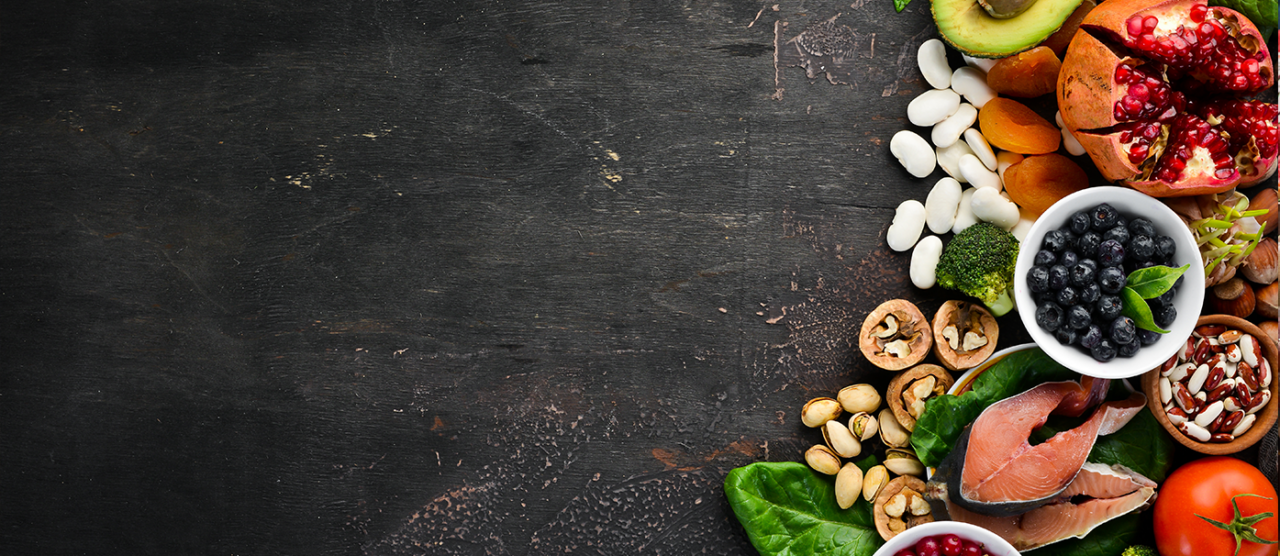
The foods and beverages we consume have a significant impact on our health. In fact, 60% of adults have one or more diet-related chronic diseases. The Dietary Guidelines for Americans (2020-2025) offers science-based nutrition advice to develop healthy eating habits and reduce chronic disease risk. Everyone can benefit from a healthy eating pattern, so start simple with modest changes each day. The latest guidance provides four overarching guidelines:
- Follow a healthy dietary pattern at every life stage
- Customize your foods and beverages to reflect personal preferences, cultural traditions, and budgets
- Focus on meeting food group needs with nutrient-dense foods that are rich in vitamins and minerals
- Limit foods and beverages high in added sugars, saturated fats, and sodium
March 22nd is Diabetes Alert Day. Are you at risk? Take this 60 second quiz to see if you or a loved one is at risk.
This month our four Take Action Weeks include:
- Nutrition Fact or Fiction Quiz
- 5 Tips to Boost Your Health
- Healthy Portion Sizes
- Healthy Meals on a Budget
Nutrition Fact or Fiction
 How accurate is your Nutrition Trivia? Take the quiz from Academy of Nutrition and Dietetics.
5 Tips to Boost Your Health
It’s not secret that the average American diet isn’t super healthy, by industry expert standards. In addition to eating too many calories from fat, sugar and refined grains, many Americans do not eat enough fruits, vegetables and whole grains.
When you consider how important a health diet is for overall health and disease prevention, this is pretty alarming. In fact, improving your diet could extend your life span and reduce the chances of costly chronic diseases like heart disease, stroke and diabetes.
If you want to improve your diet, but are wondering where to start, look no further. List below are some simple ways to get started on your health eating journey.
- Eat breakfast every day. Studies have shown that eating a healthy breakfast can lead to better strength and endurance, sharper concentration and better problem-solving abilities.
- Plan as many home-cooked meals as you can. They usually have fewer calories and cost less than typical meal eaten at restaurants.
- Eat plenty of fruits and vegetables. Half of your plate at each meal should be vegetables or fruits.
- Beware of sweetened drinks. Sodas and sports drinks are high in calories. Keep in mind that the calories in juice can also quickly add up.
- Choose food sensibly when eating out. Restaurants are often required to make nutrition information readily available. If you do not see brochures sitting out, or nutrition information listed on the menu, ask.
Healthy Portion Sizes
Did you know that in the 1980s, a typical bagel had 140 calories and a 3-inch diameter? Today, a bagel averages 6 inches and is a whopping 350 calories! With 64-ounce fountain drinks, jumbo-size snacks, massive restaurant entrées and the ability to “super-size” fast food for pennies more, it is easy to get confused about proper portion size.
What is a portion?
A portion is the amount of a specific food an individual eats for a meal or snack. Many factors affect food portions, such as age, gender, activity level, appetite, and where or when the food is obtained and eaten.
What is the difference between portions and servings?
A portion is the amount of food you choose to eat. There is no standard or correct portion size. A serving is a standard amount (issued by the USDA) used to give advice about how much to eat, and to identify how many calories and nutrients are in a particular food. This is the information located on the nutritional label of a food product (serving size).
For example:
You eat a sandwich with two slices of bread.
- The nutrition label on the bread states that the serving size is one slice.
- Your portion is two slices, which equals two servings.
Healthy Portion Sizes
For a general idea of the amount of food you should be consuming, use the following recommendations:
- A serving of meat is about 2 or 3 ounces—about the size of the palm of your hand.
- One serving of grains is equal to one slice of bread, one ounce of cereal, or half a cup of pasta or rice.
- A serving of fruit or vegetables is equal to one piece of fresh fruit or vegetable, half a cup of chopped, or ¾ cup of either juice. In general, it is not as necessary to be vigilant about vegetable and fruit intake, as any amount is healthy—just be aware of the sugar content in fruit.
- The USDA recommends you make at least half your plate fruits and vegetables, along with lean protein and whole grains.
Break Down Your Meal
It might be easier to figure out how much you are consuming if consider what you are about to eat. For example, here is how you would break down a spaghetti dinner:
- Spaghetti Noodles –
- Your portion: 2 cups
- Serving size: ½ cup
- Number of pasta servings: 4
- Tomato Sauce –
- Your portion: 1 cup
- Serving size: ½ cup
- Number of sauce servings: 2
- Meatballs –
- Your portion: 6 ounces
- Serving size: 2 ounces
- Number of meatball servings: 3
Don’t forget to calculate any appetizers, drinks or side dishes you consume with your meal as well:
- Garlic Bread –
- Your portion: 2 slices
- Serving size: 1 slice
- Number of bread servings: 2
- Soft Drink –
- Your portion: 24 ounces
- Serving size: 12 ounces
- Number of beverage servings: 2
The USDA website provides guidelines for serving size and recommended servings per day of each food group. The recommended servings depend on age and gender, but here are some general guidelines for adults:
- Vegetables: 2.5-3 cups per day
- Fruits: 2 cups per day
- Grains: 3-4 ounces per day
- Protein: 5-6 ounces per day
- Dairy: 3 cups per day
Based on these guidelines, that one sample meal would have satisfied protein and pasta recommended servings for the entire day.
When taking into account other meals, snacks, and beverages consumed throughout the day, it is easy to see why so many Americans overeat.
Try to keep your daily intake within the general guidelines set by the USDA. Your portions do not have to match the standard serving size—they can be smaller or larger. However, the amount you eat throughout the day should match the total amount of food that is recommended.
MyPlate
The USDA created MyPlate to replace the traditional food pyramid, to make it easier for Americans to make healthy food choices. If you find it difficult to adhere to the recommended daily servings, try focusing on these MyPlate guidelines instead:
- Make half your plate fruits and vegetables.
- Make at least half your grains whole grains.
- Go lean with protein.
- Switch to fat-free or low-fat dairy.
Tips for Choosing Sensible Portions
To avoid overeating when eating out, consider the following strategies:
- Choose a small- or medium-size portion. If out for dinner, see if you can have the lunch portion.
- If the main dish portions are larger than you want, order an appetizer or side dish instead, or split the main entrée with a friend.
- Never force yourself to keep eating. When you are full, stop. Take the rest home and enjoy it as a meal the next day.
- Stay away from “all-you-can-eat” buffets.
To control portion sizes at home, try the following strategies:
- Every so often, measure out the typical portion of foods you eat often, using standard measuring cups. This will help you estimate the portion size—and you will likely be surprised to find out exactly how much you are eating.
- Use a smaller plate for your meal. People tend to eat more out of habit when it is on a bigger plate.
- Put sensible portions on your plate at the beginning of the meal, and do not go back for seconds. Chances are, if you sit back and let your meal digest, you will find you are satisfied in about 10-15 minutes.
Healthy Meals on a Budget
Eating healthy on a limited budget may seem impossible, but with a little time, planning and strategic shopping, you can eat healthier and stay within your means.
Importance of Planning
Planning your meals for the week is the best place to start. Planning will help you make sure you are including foods from each food group—pay special attention to serving enough fruits and vegetables in family meals. Planning ahead helps you achieve a healthy balance—for instance, if you plan to serve a food higher in fat or salt, you can plan low-fat or low-salt foods to go with it.
In addition, planning saves time and money. Making a shopping list helps you know what food you already have, and what food you need—and helps avoid pricey “impulse” buys. Plus, planning your meals means fewer trips to the grocery store and helps you make use of leftover food and ingredients.
Planning Tips
Following these planning tips to make sure you are getting the most out of your money:
- Build the main part of your meal around rice, noodles or other grains. Use smaller amounts of meat, poultry and fish.
- Add variety to family favorites and try new, low-cost recipes. There are many online resources for finding healthy recipes.
- Try new ways to cook foods, such as a slow cooker or crock-pot, to make meals easier to prepare.
- Make use of leftovers to save time and money. For instance, if you make a pot roast, serve half of it and freeze the rest to use later in a casserole.
- When time allows, cook large batches of certain meals and freeze family-size portions for meals later in the month.
Tips for Shopping
Use the tips below to help you grocery shop on a budget:
- After planning your meals, make a list of all the foods you need (don’t forget to check the kitchen first!)
- Look for coupons in the local newspaper or online for the foods you plan to buy.
- Avoid convenience foods (baked goods, frozen meals, etc.); you can usually make these at home much cheaper and can control the nutritional value as well.
- Try generic, store brands. They usually cost less, taste just as good and have the same nutritional value.
- When buying produce, buy what is in season. Compare fresh, frozen and canned to see which is cheapest.